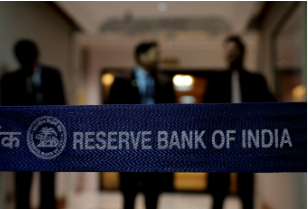
Mumbai, October 16, 2026: Deposits across India’s banking system climbed to a record ₹284 trillion ($2.99 trillion) in the second half of September, according to Reserve Bank of India (RBI) data. The sharp increase was driven largely by a discounted foreign-exchange swap facility introduced by the central bank to attract dollar inflows and strengthen banks’ funding positions.
Bank Deposits Reach Record High
India’s banking-system deposits touched approximately ₹284 trillion in late September, marking a new record. The milestone follows a substantial increase in deposits during the first half of the current financial year, reflecting the impact of foreign-currency inflows and banks’ efforts to strengthen their funding base.
₹21.67 Trillion Added in Six Months
Bank deposits increased by around ₹21.67 trillion during the first six months of the financial year. Much of this growth occurred between June and August, when the RBI’s special foreign-currency deposit incentive programme was operational.
RBI’s Discounted Swap Window Attracts Dollar Inflows
In June, the RBI introduced a discounted foreign-exchange swap facility to encourage banks to attract foreign-currency deposits. The mechanism lowered the cost of converting foreign-currency funds into rupees, making dollar inflows more attractive to lenders.
The initiative was intended to improve banks’ funding availability while supporting foreign-exchange liquidity amid pressure on the rupee.
Scheme Attracts About $133 Billion
The programme generated approximately $133 billion in foreign-currency deposit inflows between June and August, according to reports. These inflows contributed significantly to the increase in overall banking deposits and provided support to India’s external financial position.
Deposits Rise ₹20 Trillion Between June and August
RBI data showed that banking-system deposits increased by approximately ₹20 trillion between June 16 and August 31. The period broadly coincided with the operation of the discounted swap facility, highlighting the programme’s role in boosting deposit growth.
Deposit Scheme Closed Ahead of Schedule
The special deposit window was closed on August 31, one month earlier than originally planned. The strong response had helped attract substantial foreign-currency inflows before the programme ended.
With the incentive no longer available, the sustainability of deposit growth will depend on other funding sources and banks’ ability to attract and retain deposits.
Banks Also Strengthened Quarter-End Funding
The RBI scheme was not the only factor behind the increase. Banks also sought to strengthen their funding positions and liquidity buffers ahead of the September quarter-end, contributing to the record deposit total.
A stronger deposit base can improve banks’ ability to meet withdrawals, manage liquidity requirements and support lending activity.
Foreign Inflows Improve India’s External Position
The foreign-currency deposit programme also coincided with a significant improvement in India’s balance of payments. India recorded a $45.4 billion balance-of-payments surplus in August 2026, compared with a $5.6 billion deficit a year earlier, according to reports. Stronger capital inflows played an important role in the improvement.
RBI Steps Up Efforts to Support the Rupee
The deposit initiative formed part of the RBI’s broader efforts to support the rupee and improve foreign-exchange liquidity. The central bank has also introduced measures affecting the foreign-exchange market and arrangements for supplying dollars to oil companies as it seeks to manage currency volatility.
These measures reflect the challenges policymakers face in balancing exchange-rate stability, foreign-currency availability and domestic financial conditions.
Strong Deposit Base Could Support Bank Lending
A larger deposit base provides banks with funding for loans to households and businesses. It can also reduce their reliance on more expensive wholesale borrowing.
However, the benefits depend on the cost, maturity and stability of deposits, as well as banks’ ability to deploy the funds profitably. A rapid increase in deposits does not automatically translate into an equivalent rise in lending.
Focus Shifts to Sustainability of Deposit Growth
With the special foreign-currency scheme now closed, attention is turning to whether banks can maintain deposit growth without temporary incentives. Financial institutions will be assessed on how much of the recent inflow remains stable and how effectively the additional funding supports credit growth.
The record figure of nearly $3 trillion highlights the scale of India’s banking system and illustrates how central-bank foreign-exchange measures can influence domestic bank funding during periods of currency pressure.
Sources: Reserve Bank of India, Reuters
Supreme News Network