
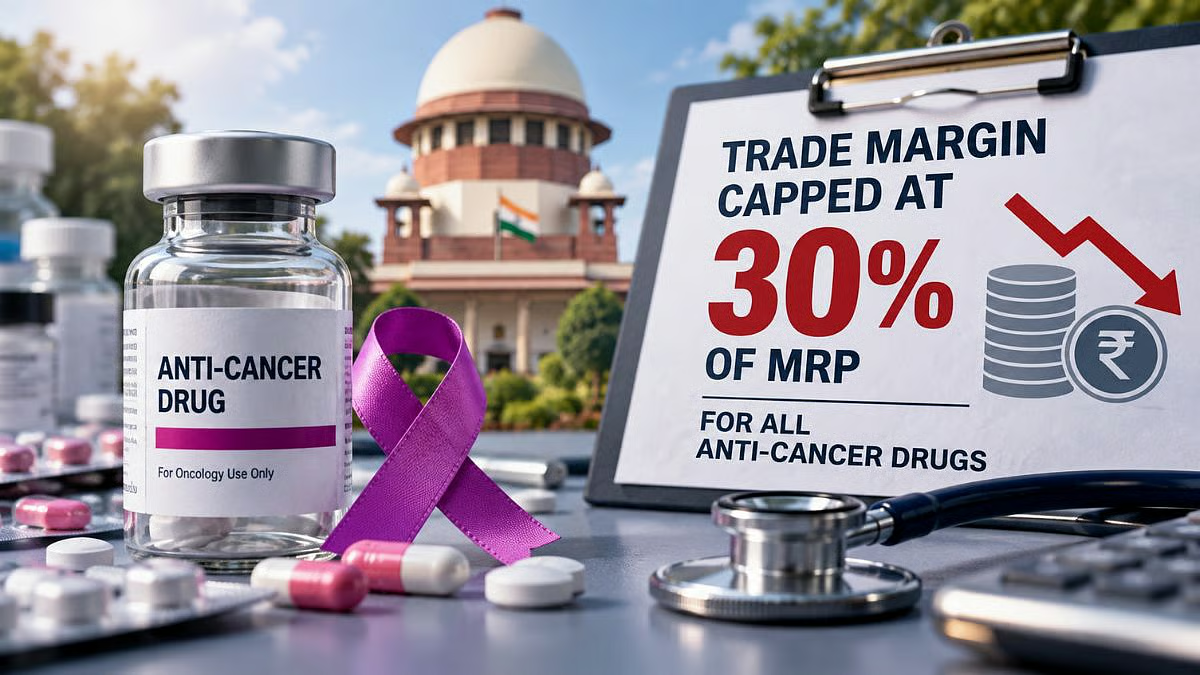
New Delhi, October 9, 2026: The Centre is preparing to impose a 30% trade-margin cap on 110 non-scheduled cancer medicines, a move that could reduce retail prices by as much as 70% in some cases. The proposed list reportedly includes 35 patented medicines and covers branded, generic, domestic and imported cancer drugs.
110 Cancer Drugs Likely to Come Under New Cap
The Department of Pharmaceuticals is finalising a list of 110 anti-cancer medicines that could be brought under the proposed trade-margin framework.
The measure aims to curb excessive mark-ups between the price at which distributors procure medicines and the maximum retail price (MRP) paid by patients.
Prices Could Drop by Up to 70%
According to reports citing officials, some cancer medicines could become up to 70% cheaper after the proposed 30% trade-margin ceiling takes effect.
The actual reduction will vary depending on the existing difference between procurement costs and retail prices. Not every medicine on the list is expected to see the same level of price reduction.
35 Patented Medicines Included
The proposed list reportedly includes around 35 patented cancer drugs alongside generic and other non-patented medicines.
The inclusion of patented medicines is significant because several newer oncology treatments are among the most expensive therapies available to patients. Bringing these medicines under the proposed framework could help reduce treatment expenses for eligible patients.
What Does a 30% Trade-Margin Cap Mean?
A trade margin is the difference between the price at which a distributor purchases a medicine and the price at which it is sold onward.
Under the proposed system, the trade margin for the selected cancer medicines would be restricted to 30% over the distributor’s procurement cost, subject to the final rules.
The objective is to limit excessive mark-ups and make medicines more affordable for patients.
Government Targets High-Cost Medicines
The government is reportedly focusing on selected expensive cancer medicines rather than extending the proposed cap to every drug in the market.
The initiative aims to reduce out-of-pocket healthcare expenditure while maintaining the availability of essential medicines and minimising disruption to the pharmaceutical supply chain.
New Pricing Mechanism Could Take Effect Soon
The list of medicines is still being finalised. According to officials cited in media reports, the new pricing mechanism could come into effect in approximately 10 days.
The final implementation timeline and the medicines covered will depend on the government’s formal notification.
Cancer Treatment Costs Remain a Major Burden
Cancer treatment can involve prolonged medication, repeated treatment cycles and expensive targeted therapies. For many patients and families, these costs create a substantial financial burden.
A reduction in the prices of selected cancer medicines could ease some of this pressure, particularly for patients who need long-term treatment. The extent of the benefit will depend on the final list and the revised retail prices.
India Has Introduced Similar Controls Before
India has previously used trade-margin rationalisation to bring down the prices of selected cancer medicines.
In 2019, trade margins on 42 cancer drugs were capped at 30%, leading to price reductions across several brands. The proposed initiative would extend this approach to a larger list of medicines, including patented treatments.
Medicine Pricing Under Wider Scrutiny
The proposal comes amid broader scrutiny of medicine pricing and the difference between procurement costs and MRPs.
The Supreme Court has also examined concerns about substantial mark-ups in medicine prices, adding to the debate over affordability, pricing transparency and access to treatment.
Potential Savings for Cancer Patients
If implemented, the proposed cap could reduce spending on the medicines covered by the policy. The overall financial benefit will depend on the final list, the extent of price revisions and the number of patients using the affected drugs.
The initiative represents a potential step towards making selected cancer treatments more affordable, although the final impact will become clearer after the government announces the detailed rules and revised prices.
Source: The Indian Express, The New Indian Express
Supreme News Network