

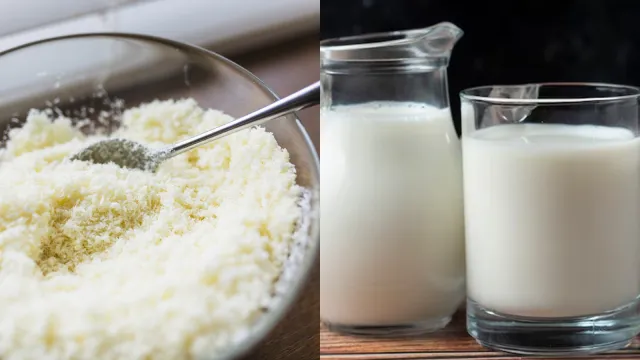
New Delhi, October 5, 2026: A sample of Nestlé Low Fat Dairy Whitener collected from The Lalit hotel in Connaught Place, New Delhi, has been declared “unsafe” and “substandard” by the Food Safety and Standards Authority of India (FSSAI) after laboratory analysis. The regulator has directed the concerned food business operator to immediately stop selling the identified product.
Sample Collected From The Lalit
According to FSSAI, the dairy whitener sample was collected from the premises of Bharat Hotels Ltd., which operates The Lalit in central Delhi.
The sample was tested by a Food Analyst’s laboratory under the Food Safety and Standards Act, 2006.
Laboratory Report Flags Safety Concerns
The laboratory report classified the sample as both “unsafe” and “substandard”, indicating that it did not comply with prescribed food safety requirements.
Following the findings, FSSAI issued directions to immediately prohibit the sale of the identified product at the premises concerned.
Notice Issued to Hotel Operator
Bharat Hotels Ltd. was provided a copy of the laboratory report and issued a notice over the non-compliant product.
Under the applicable provisions of the Food Safety and Standards Act, the food business operator also has the right to appeal the laboratory findings within the prescribed period.
Nestlé Says Product Is Safe
Nestlé India has disputed the broader safety concerns, saying its low-fat dairy whitener complies with applicable regulatory requirements.
The company has argued that phosphorus occurs naturally in milk and milk-based ingredients, and that this natural contribution needs to be taken into account while assessing the product.
What Consumers Should Know
The regulator’s finding relates to the tested sample collected from The Lalit, so it is important not to interpret the action as proof that every unit of the product in the market is unsafe.
Consumers should follow official FSSAI advisories and check product and batch information where applicable.
Health Concerns Come Into Focus
Dairy whiteners are commonly used in tea, coffee and other beverages, making compliance with food safety standards particularly important.
The latest action has once again highlighted the need for regular testing, quality control and strict compliance by manufacturers, distributors and food establishments.
FSSAI Steps Up Food Safety Enforcement
The development comes amid a broader push by the food regulator to strengthen enforcement against products and establishments that fail prescribed safety and hygiene standards.
Recent actions in Delhi have included inspections, product restrictions and licence-related measures against food businesses found violating regulations.
Source – FSSAI, The Indian Express
Supreme News Network