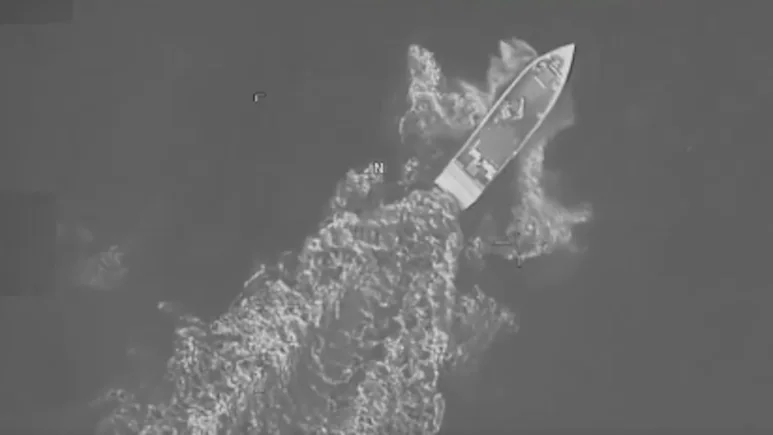

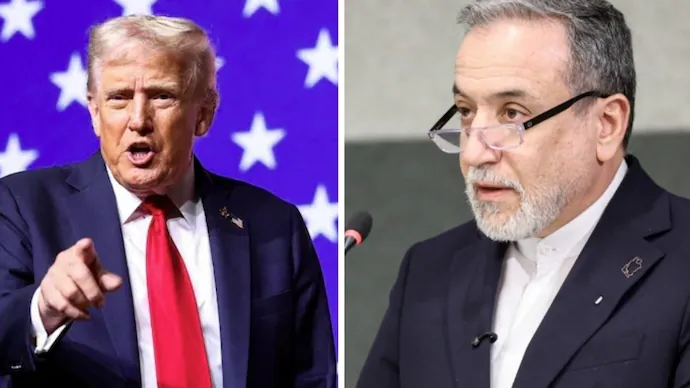
WASHINGTON/TEHRAN, September 29: Officials from the United States and Iran have held separate discussions with mediators as diplomatic efforts intensify to find a possible way to end the seven-month conflict and restore normal maritime traffic through the strategically important Strait of Hormuz. Reuters
The indirect talks come after previous ceasefire efforts collapsed and amid continuing disagreements over sanctions, Iran’s nuclear programme, frozen Iranian assets and conditions for reopening one of the world’s most important oil-shipping routes.
US and Iranian Officials Speak Separately With Mediators
Officials from both countries held separate discussions with mediators on Monday rather than meeting each other directly.
The latest diplomatic effort is expected to focus on an amended version of a proposal presented by Iran during meetings surrounding the United Nations General Assembly.
The negotiations remain indirect, and neither side has announced a final agreement. Reuters
Iran Presents Seven-Day Proposal
Iran has put forward a seven-day framework intended to create a pathway toward ending the conflict.
The proposal includes an end to hostilities involving Iran and Lebanon, the release of frozen Iranian assets, changes to sanctions affecting Iranian oil and the removal of restrictions on Iranian ports.
In return, Iran has proposed reopening the Strait of Hormuz and resuming negotiations concerning its nuclear programme. Reuters
Strait of Hormuz Remains Central to Negotiations
The Strait of Hormuz is one of the most important waterways for global energy supplies.
Disruption to shipping through the strait has affected international oil markets and contributed to higher energy prices.
Restoring safe maritime traffic has therefore become a major part of the diplomatic negotiations between Iran, the United States and regional mediators.
Iran Awaits Formal US Response
Iranian Foreign Minister Abbas Araqchi said Tehran was waiting for Washington’s definitive response to its latest ceasefire proposal.
Iran has maintained that any reopening of the Strait of Hormuz would depend on its conditions being addressed as part of a broader settlement.
Tehran says a negotiated agreement remains its preferred route for resolving the current impasse. Reuters
Trump Says Further Talks Could Take Place
US President Donald Trump has indicated that additional negotiations could take place this week.
Trump previously said he had rejected Iran’s initial proposal but later confirmed that US officials were communicating with mediators involved in efforts to end the conflict.
The US administration has not announced acceptance of Tehran’s terms. Reuters
Nuclear Programme Remains Major Sticking Point
Iran’s nuclear programme remains one of the central disagreements between Washington and Tehran.
Further negotiations could include discussions about Iran’s stockpile of highly enriched uranium, international inspections and restrictions on nuclear activities.
The United States is seeking additional nuclear concessions, while Iran wants relief from sanctions and restrictions affecting its economy and energy sector.
Sanctions Relief Part of Iranian Proposal
Iran is seeking the lifting of restrictions affecting its oil exports and ports.
The proposal also includes the release of billions of dollars in Iranian assets that are currently frozen.
These demands are likely to remain among the most difficult areas of negotiation because Washington has relied heavily on economic sanctions as leverage against Tehran.
Mediators Continue Diplomatic Efforts
Regional mediators are continuing to communicate separately with both sides in an effort to identify areas where compromise may be possible.
Qatar has played an important role in the latest diplomatic discussions, while other regional actors have also been involved in efforts to reduce tensions.
The process remains fluid, and substantial differences still separate Washington and Tehran. The Express Tribune
Previous Ceasefires Failed
The United States and Iran previously agreed to mediated ceasefires in April and June, but both arrangements quickly broke down.
The failure of those agreements has increased uncertainty over whether the latest diplomatic initiative can produce a lasting settlement.
Any new agreement would likely require detailed mechanisms to ensure that both sides comply with their commitments. Reuters
Conflict Has Disrupted Global Energy Markets
The conflict began in late February and has had significant consequences beyond the region.
Disruption to major shipping routes has contributed to volatility in international crude oil markets, affecting countries that rely heavily on imported energy.
The continued uncertainty surrounding the Strait of Hormuz has made the outcome of the negotiations important for global markets as well as regional security.
Major Differences Still Remain
Despite renewed diplomatic activity, significant obstacles remain before any agreement can be reached.
The two sides continue to disagree over sanctions, nuclear restrictions, maritime access and the sequence in which commitments would be implemented.
Negotiators will therefore need to determine whether the current proposal can be modified sufficiently to gain acceptance from both governments.
Further Negotiations Expected
Diplomatic discussions are expected to continue as mediators seek to narrow the differences between Washington and Tehran.
No ceasefire has yet been announced, and military operations have not formally ended.
The coming days could determine whether the latest indirect negotiations develop into a broader peace framework or become another unsuccessful attempt to stop the seven-month conflict.
Source – Reuters / Associated Press
Supreme News Network