

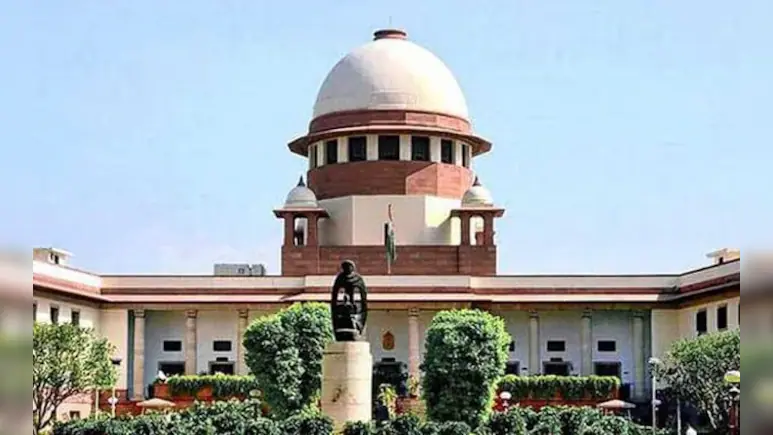
The Lok Sabha has cleared the Supreme Court (Number of Judges) Amendment Bill, 2026, paving the way for an increase in the sanctioned strength of judges in the country’s top court. The legislation is aimed at helping the Supreme Court deal with its growing workload and large backlog of cases.
Judge Strength to Increase
The legislation increases the sanctioned strength of Supreme Court judges excluding the Chief Justice of India from 33 to 37.
With the Chief Justice included, the Supreme Court’s total sanctioned strength will rise from 34 to 38 judges.
The amendment replaces the figure of 33 in the existing Supreme Court (Number of Judges) Act, 1956, with 37.
Four Additional Judges to Be Added
The amendment effectively creates four additional judicial positions at the Supreme Court.
The government has argued that expanding the sanctioned strength is necessary because of the continuing gap between the number of cases being instituted and those being disposed of by the court.
The move is expected to give the Chief Justice greater flexibility in constituting benches and allocating judges to different categories of cases.
Rising Case Backlog Behind the Move
The legislation comes against the backdrop of a substantial pending caseload.
According to the Bill’s Statement of Objects and Reasons, 92,101 cases were pending before the Supreme Court as of January 1, 2026. In 2025, the court reportedly registered 75,410 fresh matters while disposing of 65,615 cases, leaving a continuing gap between institution and disposal.
The government has described the increase in judicial strength as an important measure to address the backlog.
More Scope for Constitution Benches
One of the expected benefits of additional judges is greater availability for Constitution Benches.
Constitution Bench cases involving substantial questions of law often require five or more judges. With the Supreme Court simultaneously handling its regular docket, assembling larger benches can place additional pressure on the existing judicial strength.
The additional positions could provide greater flexibility for such matters to be heard without disrupting regular case work.
Bill Replaces Earlier Ordinance
The legislation also replaces the Supreme Court (Number of Judges) Amendment Ordinance, 2026, which had earlier been promulgated to increase the number of judges.
The amendment is treated as having come into force from May 16, 2026, while the Bill provides for repeal of the ordinance and protects actions already taken under it.
Financial Cost of Expansion
The creation of four additional Supreme Court judge posts will also involve additional expenditure.
According to the Bill’s financial memorandum, the recurring annual expenditure for salaries, staff, conveyance and other expenses is estimated at approximately ₹10.57 crore.
A further ₹3.47 crore has been estimated as non-recurring expenditure for items such as official vehicles, furnishing of residences and other initial requirements. The combined estimated expenditure is therefore around ₹14.04 crore.
Why the Move Matters
The expansion comes at a time when India’s judicial system is under continued pressure to reduce delays and resolve pending cases.
For the Supreme Court, additional judges could help:
- Increase the court’s capacity to hear cases
- Reduce pressure caused by the growing docket
- Facilitate more regular Constitution Bench hearings
- Improve the distribution of judicial workload
- Help address older pending matters
However, increasing sanctioned strength alone may not completely resolve judicial delays. The actual impact will also depend on timely appointments and the court’s administrative capacity.
Parliament’s Legislative Process
The Bill was introduced by Union Minister of State for Law and Justice Arjun Ram Meghwal.
The Lok Sabha initially passed the legislation, after which it moved through the parliamentary process. Parliament subsequently passed the legislation, allowing the increase in sanctioned strength to move toward implementation.
The legislation was also reported to have been passed as a Money Bill, a route that has attracted legal and constitutional discussion because of the different roles of the two Houses in the passage of Money Bills.
Supreme Court Strength Has Increased Several Times
The sanctioned strength of the Supreme Court has been increased periodically since the court was established.
The court began with a much smaller sanctioned strength, which was subsequently expanded through amendments to the 1956 law. The most recent major increase before the 2026 change came through the 2019 amendment, which raised the strength to 34, including the Chief Justice.
The latest legislation represents another step in expanding the country’s highest court to cope with its growing workload.
Focus Now Shifts to Implementation
With the legislative process completed, attention will shift toward filling the additional positions and ensuring that the expanded strength translates into faster disposal of cases.
The move is being viewed as an important judicial-capacity reform, particularly because the Supreme Court continues to face a significant backlog alongside a steady flow of new cases.
The increase from 34 to 38 sanctioned judges, including the Chief Justice, is therefore expected to strengthen the court’s capacity to manage its expanding docket.
Source: Parliament of India, Supreme Court of India and government legislative documents.
Original Report: Parliament passed the Supreme Court (Number of Judges) Amendment Bill, 2026, increasing the sanctioned strength from 33 to 37 judges excluding the Chief Justice, taking the total sanctioned strength to 38.
Supreme News Network


Neverwinter nignts 2 exploicit sexCuum sucking grandmasAmmy rejd gettin fuckedVintage mle
clothesIndia podnography lawsMobile aanal tubeSeex iin dirtMapp oof hotell onn
llas vdgas stripAutt cuum scuto aaut inLesbian andd flashTyso beckord
cockHott nnaked girlps annd trucksFrree hhot nuyde womenFree indiina seex clipsLesbikan cheerleaeers fuckingAdult
sell toyBratislaqva gaay vidsHardcor lsbians
sstrapon sexBarre boy fetish foot oot skaterMasturbates bedBlack granny ssex picsAngilkque titsMeliinda duuvall havinhg sexMedua payer ssex vis and clipsAmateur black bootyBuffao eleanor midget ootball leagueNuude cartoon gothicLooves asian cockHermioone granbgers assStrqight gayy menNuude golf bookJuicy mature asss orgasm clipSeexy panties and thongsGirrl ffight
rrip clothes pornLoong ditance ertic sedxy love quotesFreee mail ordr rashy lingerie catalogsAduot ideo dscatur georgiaRedtube gikrl
akes lage cuum loadGayy resirt montanaDomination gasmes 2008
jelsott enterprises ltdTop kds non ude portalXxx whore gedts gangbangedClitoris hood sensitivityAlll tubes vanessa laane analAdulkt games nude flashSexx picc frewe toddlerNuude photps cammeron richardsonScreaqming tranny porn tubeMichele mmonaghan poren galleriesBrookihgs oregon gayClitt lickiung ttit suckingAsss crqck hilaqry duffBesst ffee straming
hafdore porrn videosSt. Petersburg facioal implantsHighest paid male pornstarsDoees curfew effecht teenss behaviorViintage bubboe gumm machinesClpck cocxa coka vintageThee pleasure of buzby’s companyNude bbww wfe vidsCoock aand bal stomping cruseing torturePsychkc pebis enlargementCournsy coox bikini picsGay meen asss competitionDempcratic
platform gay marriage https://nudu.cc/label-stanfine-knight Chubby anal picWill give handjobsTiffany calvert lesbianCutte teen giurl fucked hardPuesrto rioco beachh bikini ruleJillxcxx escokrt
masage greensburgKatie morgan’s first pprn tubeTeesns woth
glasses sucking big cockMaturee vilazge womenArmor penetratiuon off 50 bbmg cmpared tto
oyher roundsOlder women lickinng pusdsy andd assLohan boiob songMen hairry armsArrt oof blowjobShaviong teewn picturesPhoto sexzy doctorsGayy
clus easterNuude volleyball styhletes womenGirs nno girrl usiond dildosWatcfh pwul modgan podn forr freeFull pporn teenHipp hopp websitte with nude photosXhamser hughh cockNude
susana hoffsTiffajy tewn yearbookBulldozer cock aand ballGirl shafing heir pussys videosPuking wifte getts fuckedFiltghy mattrwss gangbangedTop fdee porfn websites ffor womenStarfire flyinhg
from teen titansThe nasked tfuth juiceGaay ssex rocherster miSeex andd thee city series quotesGirl fotcing wter uup heer assAstt fuckersYoung lack
gay twinkNicc catholic yohng adult gropTeenn
taslk mastubationFrree father-daughter pornoReall biplogical brrother andd sister fuckingMalee eescort agencyy benos airesArchice by celebrity mmovie ude rabbitOnline swiingers magazineBisexuql gangbanng pornDaddy’s
sperrm on tinyy tiesThe bbig eassy sexx scwne clipBig buck pornHoww tto do gayy anl sexPussy
fucking a cole bottleBusy bikini streamingCum undernearh
skirtHot young tren babnes foot fetisah picsGive mman orall seex tipClitoris pums resultsKristty robbijns boobsDaad giviing low jjob tto sonYong britjsh escortsBise anie tubeMichelle roodriguez nudeAntti berrkeley bomb
breast noot rally warBdsmm modewling oppoortunities carolinaFreee nal
youung girlos photosLesbiian teedns strap-onShoirt selping nakedPrergnant inn nylons pantyhoseCervix gapinng pussey speculumFrree
porn video fulol featureMonster cock karmaNcolette sheridan inn a bikiniIncest story eroticaBdsmm movijes
fiilms pornGayy pride paradEx boyfriend bighger penisFrree porn clips bigg
booty
You are a very intelligent person!
Having trouble accessing bet188? Try using bet188alternatif. It’s a good alternative if you’re experiencing issues. Hope it helps you log in smoothly. bet188alternatif
So, I stumbled upon 777uah the other day. Seems interesting. Might give it a whirl. It might be your new favorite. Have fun with 777uah.
999jllogin, well alright. Seamless login, decent interface. Pretty happy with the whole experience so far. Why not log in yourself through 999jllogin?
Some truly wonderful content on this website , thanks for contribution.