

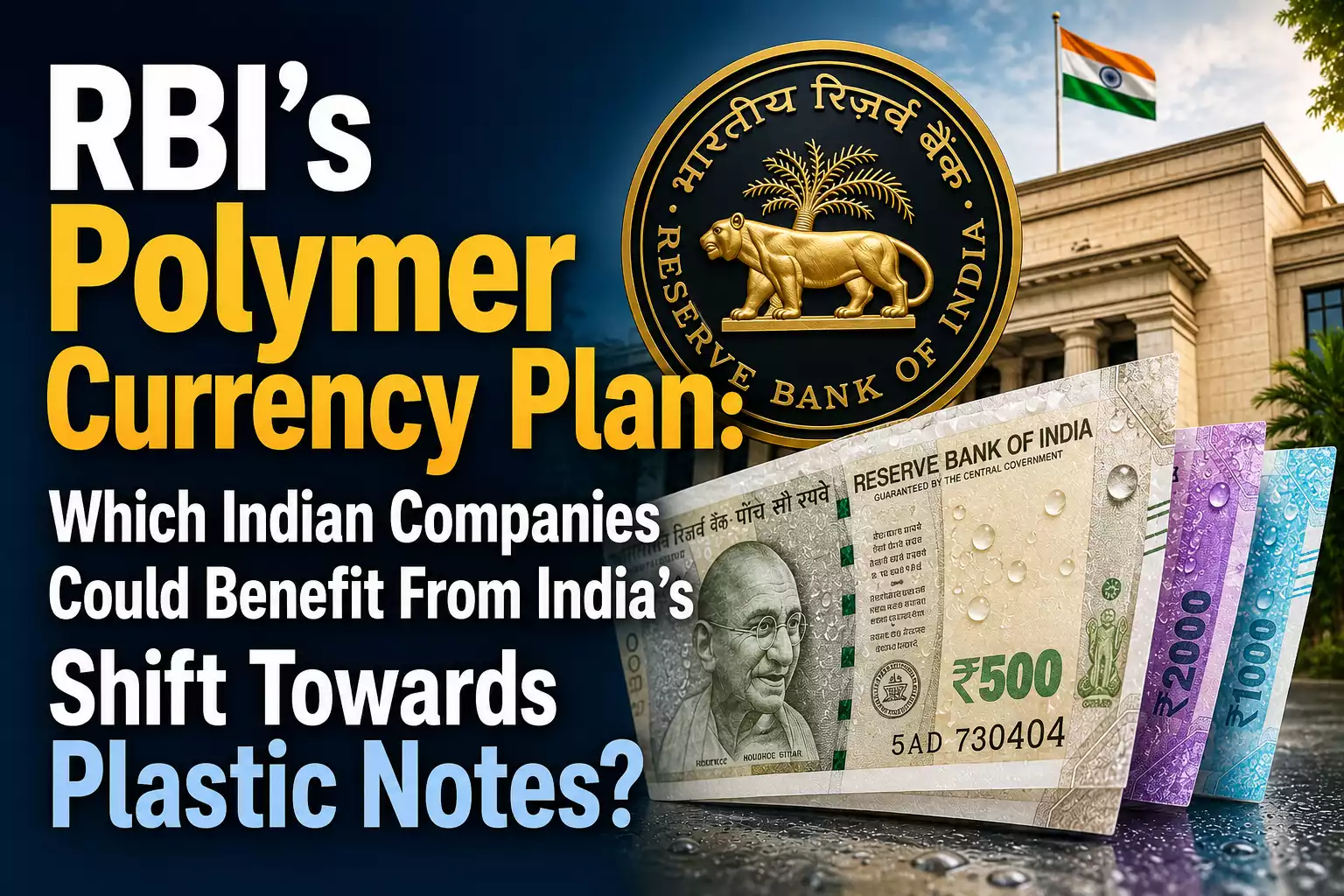
The Reserve Bank of India (RBI) has initiated the procurement process for polymer banknotes, marking a significant step toward introducing a new generation of more durable, secure, and longer-lasting currency notes in the country. The move is aimed at improving the lifespan of banknotes, reducing replacement costs, and strengthening protection against counterfeiting.
According to official sources, the procurement process is part of the RBI’s long-term currency management strategy. While polymer notes have not yet been introduced into circulation, the latest development indicates that preparations are progressing for a possible phased rollout after the necessary approvals and testing are completed.
RBI Moves Towards Polymer Currency
The Reserve Bank has begun inviting bids and initiating procurement procedures for the materials and technology required to manufacture polymer banknotes.
Unlike traditional paper-based notes made from cotton fibres, polymer banknotes are manufactured using a specially developed plastic substrate that offers greater resistance to wear and tear.
Officials said the procurement process is an early but important milestone before any decision on large-scale circulation is implemented.
Why Polymer Banknotes?
Polymer banknotes have already been adopted by several countries because of their longer lifespan and enhanced security.
Some of the major advantages include:
- Greater durability than paper currency.
- Improved resistance to water, moisture, dirt, and humidity.
- Longer circulation life, reducing replacement costs.
- Enhanced anti-counterfeiting security features.
- Better print quality and retention of colours.
- Reduced damage from frequent handling.
Experts estimate that polymer notes can last significantly longer than conventional paper notes, making them more cost-effective over time.
Stronger Security Features
One of the primary objectives of polymer currency is to strengthen protection against counterfeit notes.
Polymer banknotes can incorporate advanced security features such as:
- Transparent windows.
- Holographic images.
- Complex optical elements.
- Colour-shifting inks.
- Microtext and intricate designs.
- Machine-readable security components.
These features make duplication considerably more difficult while allowing banks and the public to verify authenticity more easily.
Benefits for the Economy
Economists believe polymer notes could generate long-term savings by reducing the frequency with which worn-out currency needs to be replaced.
Potential benefits include:
- Lower currency printing costs over time.
- Improved efficiency in currency management.
- Reduced environmental impact through fewer replacement cycles.
- Better quality notes remaining in circulation for longer periods.
- Enhanced public confidence in the currency system.
Although the initial production cost of polymer notes is generally higher, their longer lifespan often offsets the additional expense.
Global Experience
Many countries have already transitioned fully or partially to polymer currency.
Nations including Australia, Canada, New Zealand, the United Kingdom, Singapore, and several others have successfully introduced polymer banknotes because of their durability and security advantages.
Their experience has demonstrated improved note quality, lower replacement frequency, and better protection against counterfeiting.
India has previously conducted limited trials of polymer banknotes but has not yet introduced them into nationwide circulation.
No Immediate Change for Existing Currency
The RBI has clarified that existing Indian banknotes remain fully valid.
The procurement process does not mean that paper currency will immediately be replaced.
Any future rollout of polymer banknotes would likely occur in phases after testing, regulatory approvals, and production arrangements are completed.
Officials said the central bank will announce detailed implementation plans if and when polymer notes are approved for circulation.
Currency Modernisation Continues
The move forms part of the RBI’s broader efforts to modernise India’s currency management system.
In recent years, the central bank has introduced redesigned banknotes, strengthened security features, promoted digital payments, and upgraded currency printing technologies.
The introduction of polymer notes would represent another important milestone in improving the efficiency and security of India’s monetary system.
Looking Ahead
The commencement of the procurement process signals that the RBI is actively exploring the future of polymer currency in India.
If introduced, polymer banknotes could provide stronger security, lower maintenance costs, and greater durability while modernising India’s currency infrastructure.
For now, all existing Indian currency notes continue to remain legal tender, and the RBI is expected to provide further updates as the procurement and evaluation process progresses.
Source: Reserve Bank of India (RBI) and official currency management updates.
Original Report: RBI initiates procurement process for polymer banknotes.
Supreme News Network