Published: June 17, 2026
By Supreme News Network
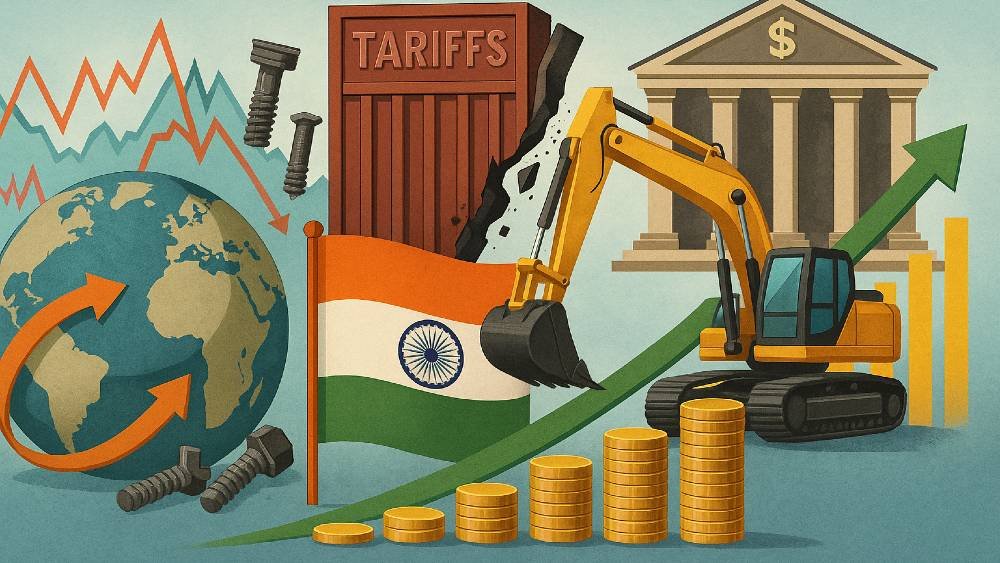
Governments across the world are reassessing their economic strategies as persistent trade challenges, shifting investment patterns, and slower growth expectations continue to influence the global economic landscape. Policymakers are increasingly focusing on strengthening economic resilience, supporting domestic industries, and maintaining stable growth amid a rapidly evolving international environment.
The renewed attention to economic planning comes as countries face a combination of challenges that include global trade uncertainties, inflation management, supply chain adjustments, and changing investment flows. Economic leaders are working to identify policies that can support long-term growth while addressing immediate concerns affecting businesses and consumers.
Experts believe that the decisions made by governments over the coming months could play a significant role in shaping the direction of the global economy.
Trade Challenges Remain a Key Concern
International trade continues to be one of the most important drivers of economic growth.
However, policymakers are closely monitoring:
- Trade imbalances
- Supply chain disruptions
- Export competitiveness
- Market access concerns
- Geopolitical uncertainties
Many governments are reviewing trade policies to ensure that domestic industries remain competitive while maintaining strong international partnerships.
Economists note that stable trade relationships are essential for supporting economic expansion and investment activity.
Economic Growth Strategies Under Review
Countries are increasingly evaluating their economic priorities to adapt to changing conditions.
Key policy areas receiving attention include:
- Infrastructure investment
- Manufacturing growth
- Technology development
- Workforce expansion
- Innovation support
Governments believe that targeted investments can help strengthen economic performance while creating new opportunities for businesses and workers.
Analysts suggest that long-term growth will depend heavily on productivity improvements and technological advancement.
Supply Chain Resilience Becomes a Priority
Recent global developments have highlighted the importance of resilient supply chains.
As a result, governments are investing in:
- Logistics infrastructure
- Transportation networks
- Domestic manufacturing
- Strategic partnerships
Experts believe stronger supply chains can help reduce economic vulnerabilities and improve business continuity during periods of uncertainty.
Many countries are also encouraging companies to diversify sourcing and production strategies.
Technology and Innovation Drive Policy Decisions
Technology is becoming increasingly central to economic planning.
Governments are supporting initiatives related to:
- Artificial intelligence
- Digital infrastructure
- Semiconductor manufacturing
- Research and development
- Innovation ecosystems
Policymakers view technological competitiveness as a critical factor in future economic success.
Experts suggest that countries investing in innovation today are likely to enjoy stronger growth prospects in the years ahead.
Investment Flows Influence Economic Planning
Global investment patterns continue to shape national economic strategies.
Governments are working to attract:
- Foreign direct investment
- Technology investments
- Infrastructure funding
- Manufacturing projects
Investment promotion efforts often focus on improving business environments and creating opportunities for sustainable economic development.
Analysts note that competition for investment has intensified as countries seek to accelerate growth and job creation.
Inflation and Consumer Demand Remain Important Factors
Managing inflation while supporting economic activity remains a balancing act for policymakers.
Governments are monitoring:
- Consumer spending
- Business confidence
- Employment trends
- Price stability
Economic experts emphasize that maintaining healthy demand is essential for supporting growth while avoiding excessive inflationary pressures.
Policy adjustments are increasingly designed to address both short-term and long-term economic objectives.
International Cooperation Continues to Play a Role
Many economic challenges require collaboration among countries and international institutions.
Governments are engaging in discussions focused on:
- Trade cooperation
- Investment partnerships
- Economic stability
- Technology collaboration
Experts argue that international cooperation can help address shared challenges while supporting global growth.
Economic forums and diplomatic engagements remain important platforms for coordinating policy responses.

Businesses Adapt to Changing Conditions
Private sector organizations are also adjusting strategies in response to evolving economic conditions.
Companies are increasingly focusing on:
- Operational efficiency
- Technology adoption
- Market diversification
- Risk management
Business leaders recognize the importance of flexibility in navigating uncertain economic environments.
Experts suggest that companies capable of adapting quickly may be better positioned for long-term success.
Future Outlook Remains Mixed
While challenges remain, many economists believe opportunities for growth continue to exist.
Potential drivers of future expansion include:
- Technological innovation
- Infrastructure development
- Emerging industries
- Increased productivity
Governments are therefore attempting to balance caution with investment in future growth opportunities.
The effectiveness of these strategies will likely influence economic performance over the coming years.
Looking Ahead
As trade challenges and growth concerns continue to shape global discussions, governments are placing greater emphasis on resilience, innovation, and sustainable development.
Economic strategies are evolving to address a world characterized by rapid technological change, shifting trade relationships, and increased competition for investment.
Experts believe that countries capable of adapting to these realities while maintaining strong economic fundamentals will be best positioned to achieve long-term growth.
The ongoing reassessment of economic policies reflects the determination of governments worldwide to navigate uncertainty while creating opportunities for businesses, workers, and future generations.
With the global economy entering a new phase of transformation, economic strategy will remain at the center of policymaking and international cooperation throughout 2026 and beyond.