
Published: June 13, 2026
By Supreme News Network
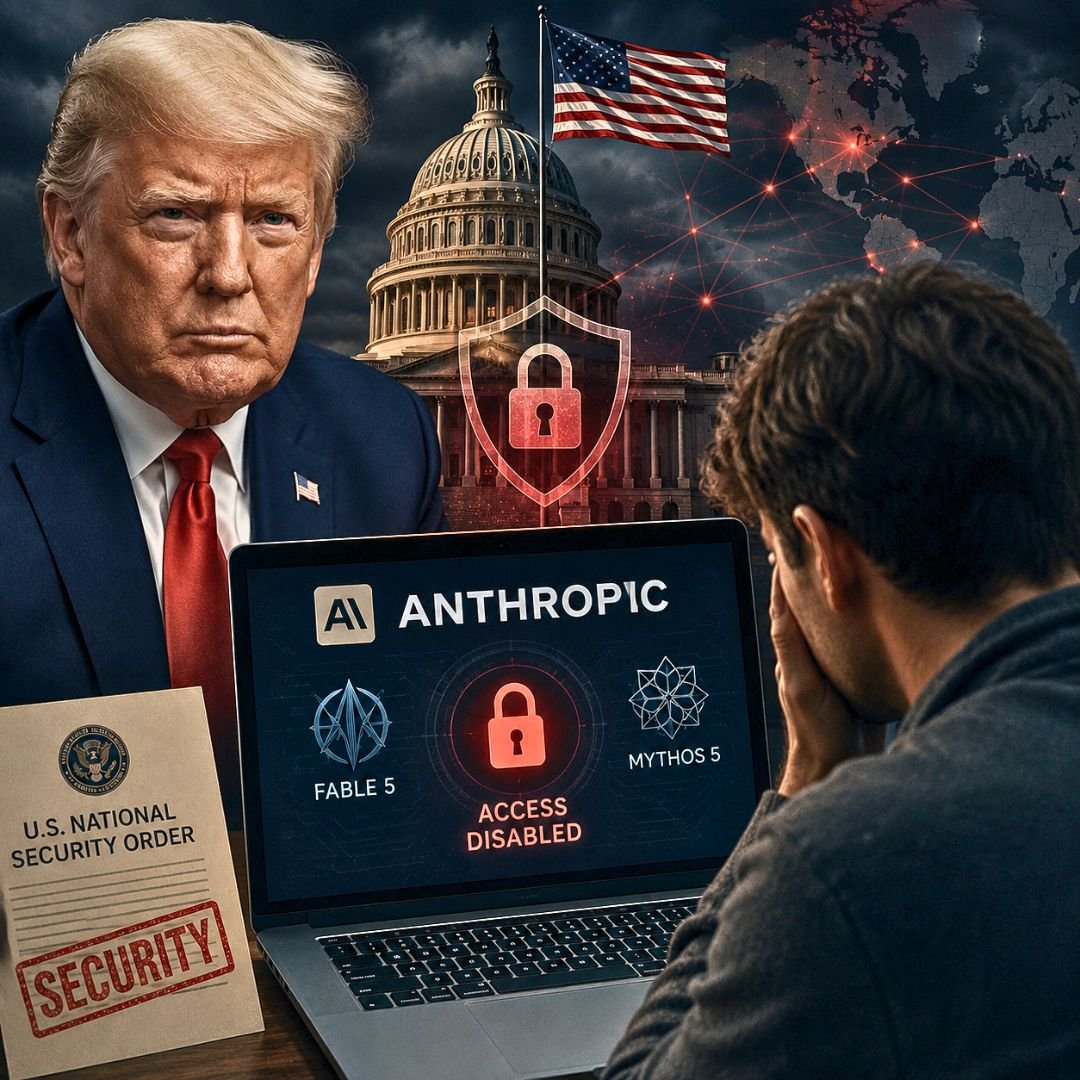
A new decision by the United States to restrict access to some of the world’s most advanced artificial intelligence models has ignited a global debate over technology regulation, innovation, and national security. The move is being closely watched by governments, technology companies, researchers, and businesses that increasingly rely on AI-powered systems for a wide range of applications.
The restrictions come at a time when artificial intelligence has become one of the most strategically important technologies in the world, influencing everything from economic growth and scientific research to cybersecurity and defense.
Why the AI Restrictions Matter
Artificial intelligence is rapidly transforming industries across the globe. From healthcare and education to finance and manufacturing, advanced AI models are becoming critical tools for innovation and productivity.
The latest restrictions are designed to address concerns related to national security, technological competitiveness, and the potential misuse of highly capable AI systems. Supporters argue that stronger safeguards are necessary as AI technology becomes more powerful and influential.
Critics, however, warn that limiting access could slow innovation, create barriers for researchers, and deepen divisions within the global technology ecosystem.
Growing Competition in the Global AI Race
The debate arrives as countries around the world invest heavily in artificial intelligence development.
Governments and private companies are competing to build increasingly sophisticated AI systems capable of handling complex tasks such as:
- Scientific research
- Medical analysis
- Software development
- Language processing
- Cybersecurity operations
- Industrial automation
Many experts view AI as a strategic technology that will play a major role in shaping future economic and geopolitical influence.
Technology Companies React
The new restrictions have generated significant discussion within the technology sector.
Leading AI developers have emphasized the importance of balancing innovation with responsible safeguards. Industry leaders argue that advanced AI systems offer enormous benefits but also require careful oversight to prevent misuse.
Some companies support stronger regulations focused on safety and security, while others believe overly restrictive measures could reduce opportunities for collaboration and technological progress.
The debate reflects broader questions about how governments should regulate emerging technologies without limiting innovation.
Impact on Researchers and Developers
Researchers are closely monitoring how the restrictions may affect access to advanced AI tools.
Many universities, startups, and independent developers rely on sophisticated AI models for experimentation, product development, and scientific discovery. Changes to access policies could influence how research projects are conducted and how new technologies are developed.
Technology analysts note that the long-term impact will depend on the specific implementation of the restrictions and how industry stakeholders adapt to the evolving regulatory environment.
Security Versus Innovation
One of the central issues in the debate is finding the right balance between security and innovation.
Supporters of tighter controls argue that advanced AI systems could potentially be misused for harmful purposes if adequate safeguards are not in place. They believe governments have a responsibility to establish clear rules as the technology continues to evolve.
Others argue that open access and international collaboration have historically played important roles in scientific advancement and technological breakthroughs.
The discussion is expected to remain a key topic among policymakers and industry leaders in the coming years.
Global Implications
The US decision is likely to influence AI policy discussions in other countries.
Governments around the world are already considering frameworks related to:
- AI safety standards
- Data protection
- Ethical AI development
- National security concerns
- Technology exports
- Research collaboration
As artificial intelligence becomes increasingly important to economic competitiveness, policymakers are under pressure to create regulations that encourage innovation while managing potential risks.
What Happens Next?
Technology companies, researchers, and governments will continue evaluating the implications of the new restrictions in the months ahead.
Industry observers expect ongoing discussions regarding international cooperation, AI governance, and future regulatory frameworks. Many experts believe the decisions made today could shape the development of artificial intelligence for years to come.
As the global race for AI leadership intensifies, the debate sparked by the latest US restrictions highlights the growing challenge of balancing innovation, security, and responsible technological advancement in an increasingly interconnected world.


Знаете, достало уже — отец или муж начинает пить сутками, а ты не знаешь куда бежать . Моя семья с таким столкнулась недавно. Думал, справлюсь сам — нифига . Оказалось , без медикаментов и капельниц никак . Обзвонил все конторы в городе — одни обещания и бабло тянут. А потом наткнулся на один реально рабочий вариант. Кому нужно помещение в клинику для вывода из запоя — не рискуйте здоровьем человека. У нас в Нижнем, если честно, хватает шарлатанов . Вся проверенная информация вот тут : частные наркологические клиники нижний новгород частные наркологические клиники нижний новгород Честно скажу , после того как вник в детали, многое стало понятно . И про кодировку от алкоголя в Нижнем Новгороде, и про выезд нарколога на дом . Плюс анонимность — это важно . Советую не тянуть .
The tone stayed consistent across the whole post which is harder than it looks for longer pieces, and a look at globebeats continued the same voice, this kind of editorial consistency is a sign of either a single careful writer or a tightly run team and either is impressive today across the broader media environment.
References:
Spielhalle Las Vegas online casino deutschland