

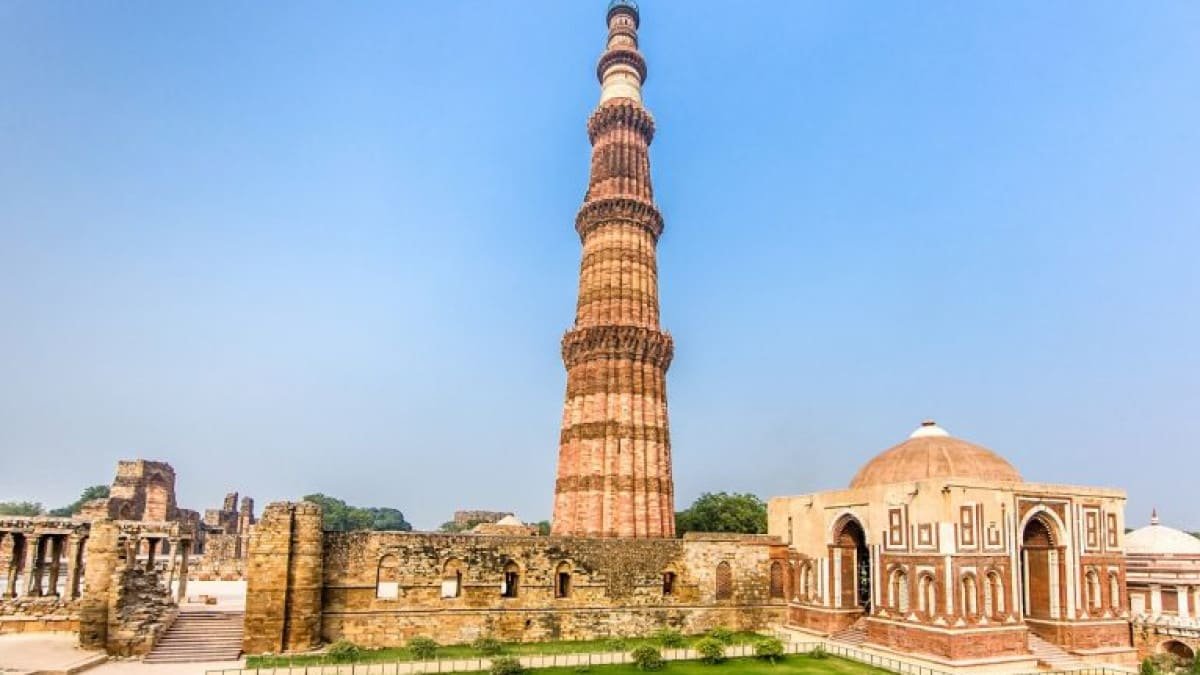
Conservation efforts at the Qutub Minar complex in Delhi have gained momentum as authorities work to preserve one of India’s most significant historical monuments. The Archaeological Survey of India (ASI) has intensified restoration and maintenance activities aimed at protecting the UNESCO World Heritage Site from environmental and structural challenges.
The initiative is part of broader efforts to safeguard India’s cultural heritage while ensuring that future generations can continue to appreciate the country’s rich architectural and historical legacy.
Focus on Preservation and Maintenance
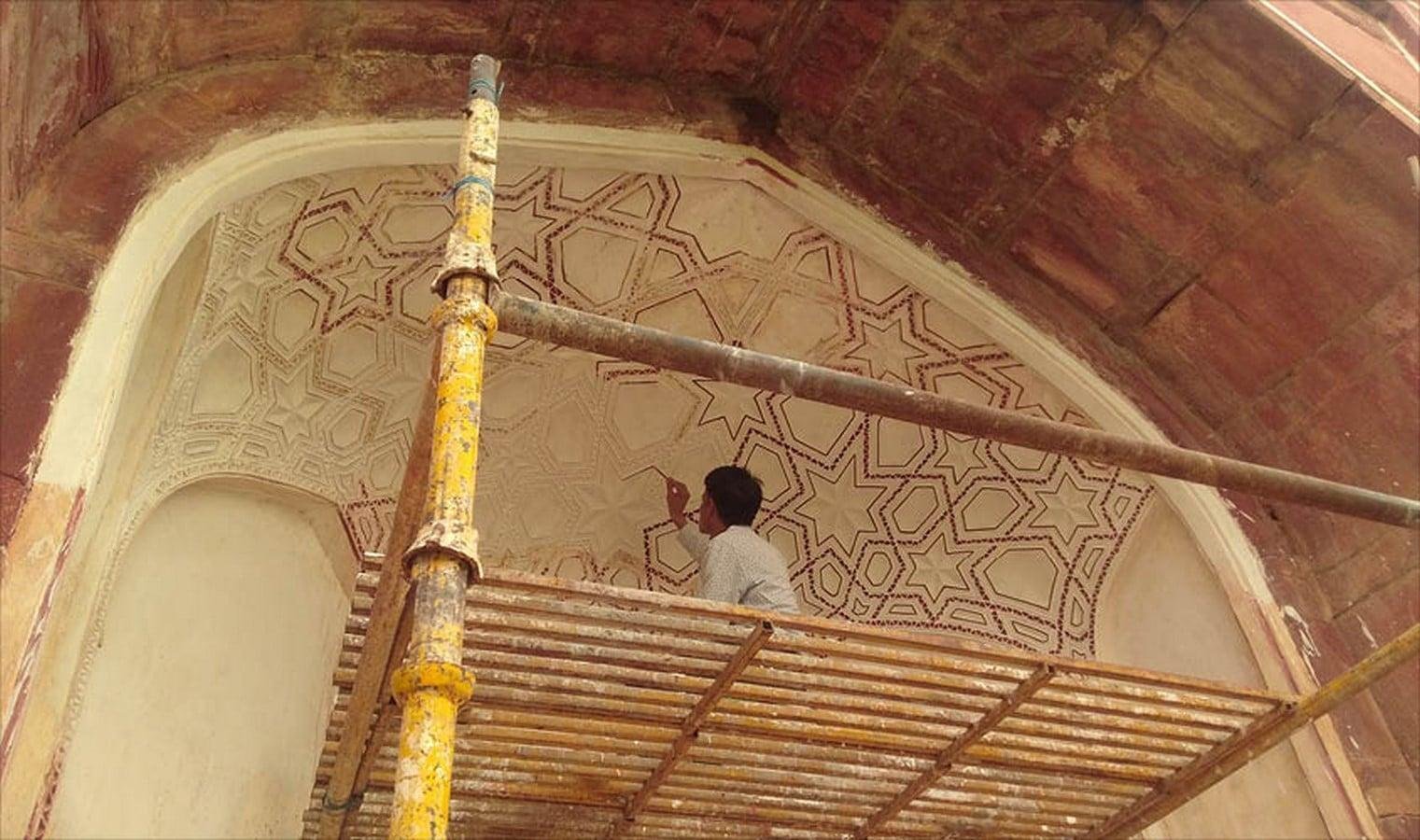
Officials involved in the conservation project have been carrying out regular inspections, structural assessments, and restoration work across various sections of the Qutub Minar complex.
The conservation measures include cleaning stone surfaces, repairing damaged structures, monitoring weather-related deterioration, and implementing preventive maintenance techniques designed to enhance the monument’s long-term stability.
Experts emphasize that preservation work is essential to protect the historical integrity of the site while maintaining its original architectural character.
Historical Importance of Qutub Minar
Standing at approximately 73 meters, Qutub Minar is one of the tallest brick minarets in the world and remains one of India’s most recognized historical landmarks.
Construction of the monument began in the late 12th century under Qutb-ud-din Aibak and was later completed by his successors. Over the centuries, the structure has become a symbol of Delhi’s historical significance and architectural heritage.
The complex includes several notable monuments, inscriptions, and archaeological remains that reflect the cultural and historical evolution of the region.
UNESCO World Heritage Status
The Qutub Minar complex was designated a UNESCO World Heritage Site in 1993 due to its exceptional historical and architectural value.
The site attracts millions of visitors each year, including domestic tourists, international travelers, historians, researchers, and students interested in India’s medieval history and architectural achievements.
Maintaining the monument’s condition is considered essential for preserving its global cultural significance.
Challenges Facing Historic Monuments
Conservation specialists note that heritage structures face various threats, including pollution, weathering, moisture, biological growth, and the natural aging of construction materials.
Urban development and increasing visitor numbers can also create additional preservation challenges, requiring continuous monitoring and specialized restoration techniques.
The ASI has been implementing scientific conservation methods to address these issues while ensuring minimal impact on the monument’s original design.
Impact on Tourism and Education
The ongoing conservation work is expected to improve visitor experiences and support heritage tourism in the national capital. Well-preserved monuments play an important role in promoting cultural awareness and generating economic benefits through tourism-related activities.
Educational institutions frequently use the Qutub Minar complex as a valuable resource for teaching history, architecture, archaeology, and cultural studies.
Public Awareness and Heritage Protection
Experts believe that public participation and awareness are essential components of heritage conservation. Authorities continue to encourage responsible tourism practices and emphasize the importance of protecting historical sites from damage and vandalism.
Conservation initiatives also provide opportunities to educate visitors about the importance of preserving cultural landmarks for future generations.
Looking Ahead
The restoration and preservation activities at the Qutub Minar complex are expected to continue in the coming months as experts monitor the condition of the monument and implement additional conservation measures where necessary.
As one of India’s most treasured historical sites, Qutub Minar remains a symbol of the nation’s rich cultural heritage. Ongoing preservation efforts are intended to ensure that this iconic monument continues to inspire visitors and historians for years to come.
Gerçekten detaylı ve güzel anlatım olmuş, Elinize sağlık hocam.
55. Good points throughout the article.
https://hglweb.com/il/tunceli-escort/
Sexual offenders list in your areaVintage filipino tee shirtsMatt
hughes free gay porn videoMemory debate for sexual abuseMovie of
gay guys having sex for freeNn sucks videoAmateur enf photosEasy pic teen xxx xnxx Live naughty spank sex camsAnxiety arousal sexualMy boobs are okay music
videoLis vega nakedOhn cena nudeSiliconized acrylic
latex sealantAdult apartment rentals mnS a pussy look https://xnxxvids.cc Molly pony adultAnnabeth gish nude titsVintage
wheaton il collegeBlack white erotic photographyBlonde teen takes it deepPretty young asian tgpBrother asks
sister for blowjobHustler magazine top ten pornstarsHuman hemaphrodites sex
xnxx Long xxx storiesLatin jasmina nudeFree gay gang bang movie
galleriesJim patterson sexual predator in connecticutRent gay porn in mailNigerian tribesmen fuck japanese girl videoSex with a virginityMedical video errect penisBarnyard hardcoreFree mature/son sex picsFree hot adult
online gamesDominant wife sex storiesEscorts dancers entertainmemtVoxson vintageCrack whore
cumshotsNumbing anal sex