
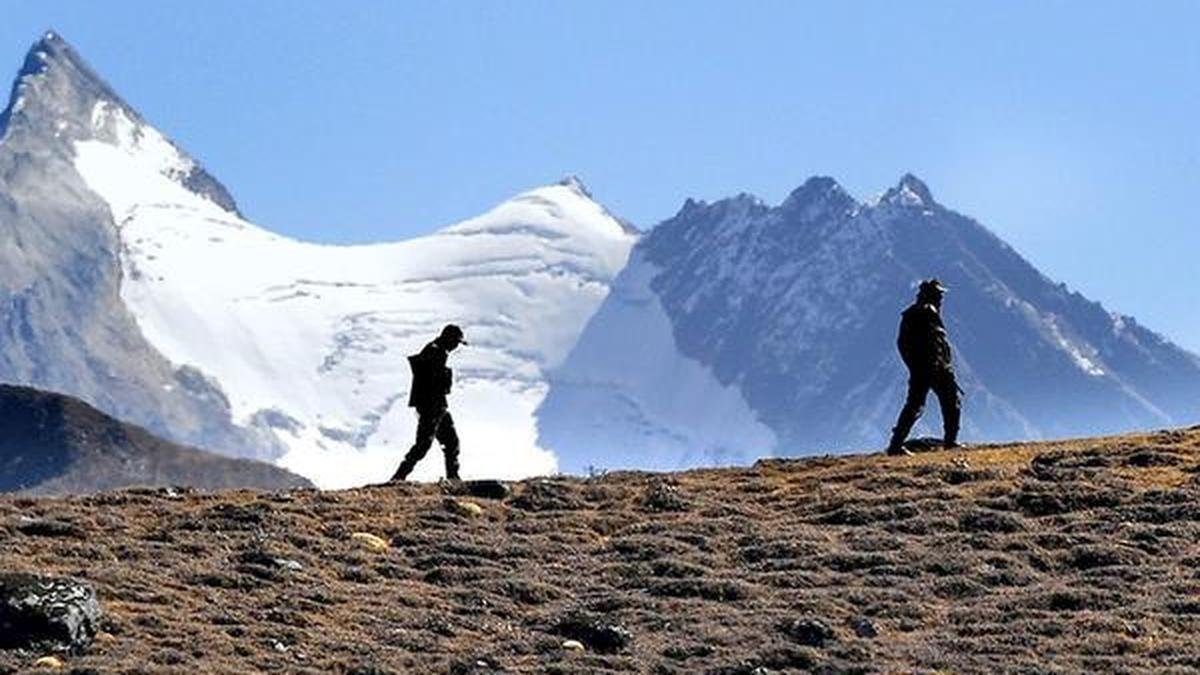
New Delhi, November 22, 2026: India and China have concluded a second round of high-level military talks aimed at reducing tensions along the Line of Actual Control (LAC) in Arunachal Pradesh ahead of the harsh winter season.
According to a report published by The Indian Express on Sunday, the discussions began on November 8 and continued for nearly 10 days, with a short break during the negotiations.
The talks focused on preventing confrontations between troops, improving communication and establishing clearer engagement procedures along the disputed frontier.
India and China Conclude Second Round of Military Talks
Senior military commanders from India and China held extensive discussions to address ongoing friction along the Arunachal Pradesh border.
The Indian delegation was led by Lieutenant General Girish Kalia, General Officer Commanding of the Indian Army’s III Corps, also known as the Spear Corps.
The Corps is headquartered at Rangapahar near Dimapur in Nagaland.
A representative from India’s Ministry of External Affairs also attended the discussions.
According to officials familiar with the negotiations, the talks were conducted in a cordial atmosphere.
Talks Began on November 8
The latest round of discussions began shortly after Diwali on November 8, 2026.
The negotiations continued for approximately 10 days, with military representatives examining measures to reduce the possibility of confrontations.
The primary objectives included establishing clearer rules for troop engagement, maintaining direct communication and preventing misunderstandings during patrolling activities.
The discussions were held ahead of winter, when difficult weather conditions can complicate military logistics and border management.
Arunachal Pradesh Border Tensions Remain a Concern
The latest negotiations follow reports of confrontations involving Indian and Chinese troops at several locations along the Arunachal Pradesh frontier.
The situation has remained sensitive because India and China have differing perceptions of the Line of Actual Control.
One of the areas associated with recent tensions is Taksing in Arunachal Pradesh’s Upper Subansiri district.
Military movements and patrolling activities in disputed areas have occasionally brought personnel from the two countries into close contact.
Both sides have maintained troops in significant numbers along sensitive portions of the frontier.
First Round of Talks Held in September
India and China previously conducted Corps Commander-level discussions in the eastern sector on September 6 and 7, 2026.
Those meetings took place at the Wacha-Damai border meeting point in the Kibithoo sector of Arunachal Pradesh.
Wacha is located on the Indian side, while Damai is on the Chinese side of the frontier.
The September discussions followed reports of tension near Taksing.
The second round represents a continuation of efforts to manage border disagreements through established military communication channels.
Military Commanders Discuss Rules of Engagement
One of the major objectives of the latest talks was to prevent minor incidents from developing into serious confrontations.
Military representatives discussed procedures governing interactions between troops during patrols and other activities near the LAC.
The talks also focused on maintaining communication between commanders and reducing misunderstandings arising from differing territorial perceptions.
Clear engagement procedures could help both sides respond more effectively to unexpected encounters.
However, the full details of any understandings reached during the negotiations have not been publicly disclosed.
Winter Conditions Add Urgency to Discussions
The timing of the talks is significant because winter presents major challenges for troops deployed in high-altitude border regions.
Heavy snowfall, freezing temperatures and difficult terrain can affect transportation, supply routes and military operations.
Officials familiar with the discussions indicated that reducing friction before the winter season was an important objective.
However, it remains unclear whether the measures discussed will be implemented before severe winter conditions begin.
No verified announcement of a new troop withdrawal or disengagement agreement has emerged from the latest round.
ITBP Had Reported Border Confrontations in October
In October 2026, then Indo-Tibetan Border Police Director General Shatrujeet Kapur acknowledged that Indian and Chinese personnel had faced each other at multiple locations in Arunachal Pradesh.
His remarks brought renewed attention to the situation along the eastern frontier.
Responding to those observations, India’s Ministry of External Affairs said disturbances sometimes occurred when Chinese forces departed from established patrolling patterns.
The ministry reiterated that peace and stability along the border were essential for the broader development of India-China relations.
India and China Continue Diplomatic Engagement
Military-level discussions are taking place alongside diplomatic efforts to manage the longstanding border dispute.
In August 2026, India’s National Security Adviser Ajit Doval met Chinese Foreign Minister Wang Yi in Beijing.
The two officials serve as Special Representatives for negotiations on the India-China boundary question.
Their discussions included measures to improve border management and communication.
India and China have also explored additional military hotlines and meeting points to reduce the risk of misunderstandings.
Arunachal Pradesh Remains a Sensitive Border Region
Arunachal Pradesh is an integral part of India, although China disputes India’s sovereignty over the state and refers to the region as Zangnan.
India has consistently rejected China’s territorial claims.
The disagreement is connected to the differing interpretations of the boundary between the two countries.
The McMahon Line, established in 1914, forms the basis of India’s position on much of the eastern boundary, while Beijing does not recognise it.
These differences continue to complicate border negotiations and patrolling arrangements.
No Final Resolution Announced
Despite the latest round of talks, India and China have not publicly announced a comprehensive resolution to the tensions in Arunachal Pradesh.
The discussions reportedly focused on practical steps to maintain stability rather than settling the broader territorial dispute.
The specific measures that may be implemented remain uncertain.
Both military and diplomatic communication channels are expected to remain important in managing the border situation.
India-China Border Talks: What Happens Next?
The latest negotiations represent another effort to reduce the risk of confrontation along the LAC.
Further progress will depend on whether military commanders implement the procedures discussed during the meetings.
The situation will also be influenced by winter deployment conditions, patrolling activities and continued diplomatic engagement.
For now, the completion of the second round of talks indicates that both countries remain engaged in dialogue, although significant border disagreements continue.
Source – The Indian Express, The Pioneer, Ministry of External Affairs (earlier official border-talk statements), Hindustan Times (background reporting)
Supreme News Network