
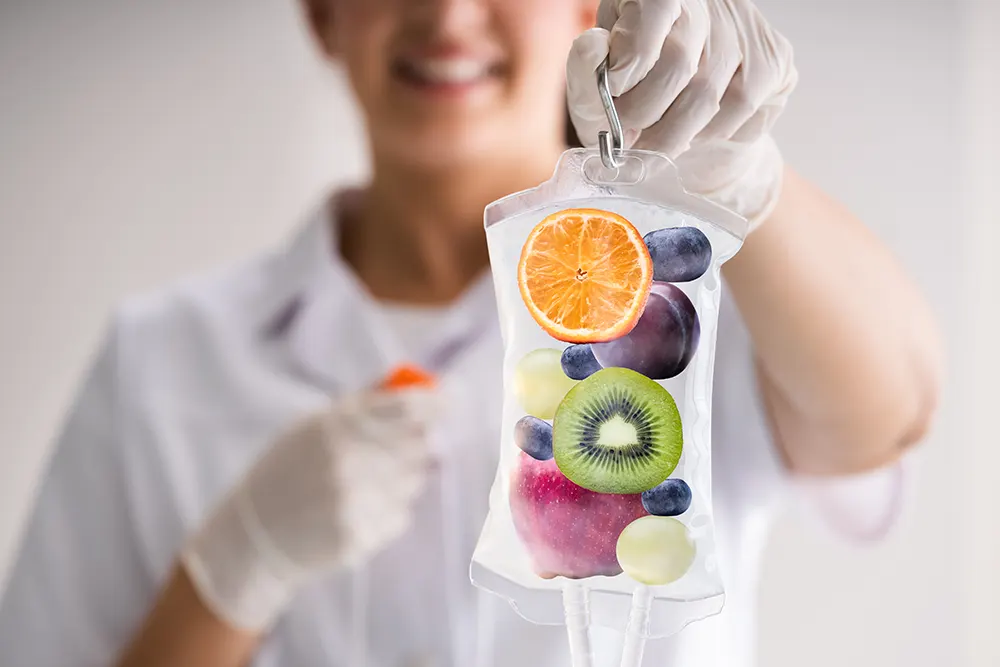
NEW DELHI, September 20: Intravenous vitamin drips are increasingly being marketed in India as a quick way to boost energy, hydration and skin glow during weddings, Navratri and other festive events, but doctors are warning that healthy people may receive little proven benefit while still facing medical risks from unnecessary IV infusions.
IV Drips Move From Hospitals to Wedding and Party Settings
IV therapy has traditionally been used in hospitals to deliver fluids, medicines or nutrients directly into the bloodstream when medically required.
However, wellness clinics are increasingly promoting vitamin and antioxidant infusions for pre-wedding preparation, post-party recovery, travel fatigue, hydration and cosmetic “glow.” Some services are now being offered at homes, bridal suites and event venues.
The growing popularity comes during India’s busy festive and wedding season, when long celebrations, fasting, travel and late nights can leave people feeling tired or dehydrated.
Doctors Say Faster Absorption Does Not Mean Better Results
IV infusions deliver substances directly into the bloodstream, allowing them to bypass the digestive system.
But doctors caution that faster absorption does not automatically mean better health or cosmetic results, particularly for people who are already adequately hydrated and do not have a nutritional deficiency.
Delhi-based aesthetic physician Dr Karuna Malhotra told The New Indian Express that IV therapy may temporarily make someone appear fresher when dehydration or nutritional inadequacy contributes to tired-looking skin, but it should not be viewed as an instant beauty treatment.
Evidence for Wellness Benefits Remains Limited
Medical experts say evidence supporting high-dose vitamin infusions for otherwise healthy people remains limited.
The New Indian Express cited reviews finding insufficient evidence that vitamin infusions provide significant benefits to people without documented deficiencies, while doctors stressed that claims involving immunity, energy, detoxification and skin brightening often go beyond what available research can establish.
Marketing claims around ingredients such as vitamin C, glutathione, magnesium and other antioxidants should therefore not be treated as guaranteed medical outcomes.
IV Therapy Carries Medical Risks
Doctors emphasise that an IV drip is a medical procedure rather than a cosmetic treatment.
Potential complications can include:
- Infection at the injection site
- Bruising or inflammation of the vein
- Allergic reactions
- Fluid overload
- Electrolyte imbalance
- Excessive vitamin exposure
- Drug interactions
People with kidney, heart or liver conditions, electrolyte problems or certain allergies may face additional risks and should be medically evaluated before receiving an infusion.
Lack of Standardisation Raises Concerns
Another concern is that wellness IV formulations can vary considerably between providers.
Dermatologists quoted by The New Indian Express noted that there is no single standardised dosage or formulation for many of the so-called beauty or wellness drips being marketed to healthy consumers.
This makes medical supervision, sterile procedures and clear information about the ingredients particularly important.
Previous reporting has also highlighted concerns about poorly regulated providers, inappropriate dosages and insufficient safety protocols in some IV wellness settings.
‘Glow’ and Antioxidant Claims Need Caution
Some IV clinics promote antioxidant-rich drips for brighter skin or anti-ageing benefits.
Doctors caution that while antioxidants perform important functions in the body, administering more of them intravenously does not necessarily produce proportionately healthier or brighter skin.
Similarly, IV vitamin treatments should not be considered substitutes for evidence-based medical treatment when a person has an underlying health condition.
Fatigue May Have Simpler Causes
Doctors say festive-season exhaustion can result from factors such as:
- Lack of sleep
- Inadequate water intake
- Fasting
- Poor nutrition
- Stress
- Frequent travel
- Late-night celebrations
In such situations, an IV drip should not automatically become the first solution.
Medical experts instead recommend adequate hydration, nutritious food, sensible fasting practices, proper sleep and sufficient recovery unless there is a genuine clinical reason for IV treatment.
IV Therapy Can Still Be Useful When Medically Needed
Doctors are not suggesting that IV therapy itself is unsafe when appropriately prescribed.
It remains useful for people who are significantly dehydrated, unable to take sufficient fluids orally or require intravenous medication or nutrients for a diagnosed medical condition.
The concern is mainly about healthy individuals using IV therapy routinely as a quick wellness or beauty fix without proper medical assessment.
Doctors Urge Medical Supervision
People considering an IV infusion have been advised to know exactly what substances are being administered, in what dosage and why they are medically necessary.
Doctors also recommend ensuring that the procedure is performed under qualified medical supervision using sterile equipment.
As festive-season IV drips gain popularity, medical specialists are urging consumers to distinguish between genuine clinical treatment and heavily marketed wellness promises.
source – The New Indian Express / India Today
Supreme News Network