

NEW DELHI | August 19, 2026
Delhi Police Defends Action During Parliament March
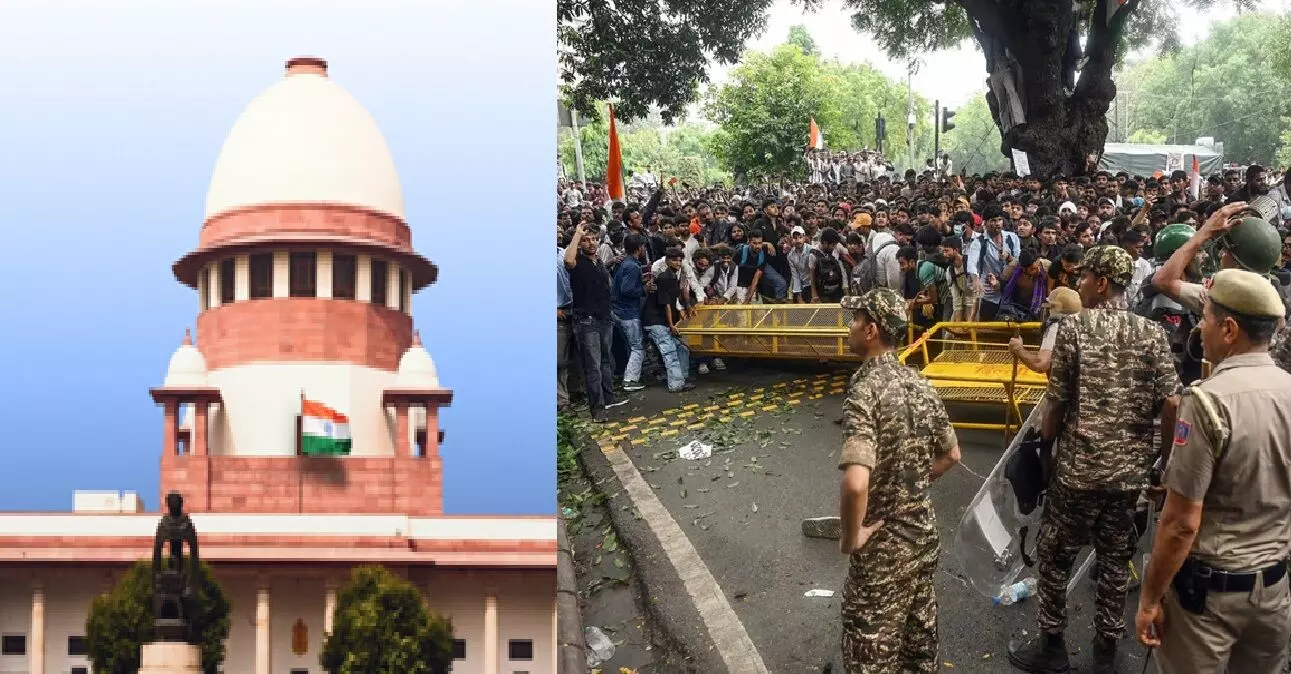
The Delhi Police has told the Supreme Court that the July 20 march towards Parliament was not permitted and described the proposed procession as illegal. The police also rejected allegations that excessive force was used against student protesters during the demonstration.
According to the police’s affidavit, the protest initially remained peaceful but later escalated when a section of protesters allegedly attempted to break through barricades and move towards Parliament.
Over 30,000 Protesters Were Present
Delhi Police told the court that more than 30,000 protesters were present around Jantar Mantar and surrounding areas during the demonstration.
The crowd reportedly spread across nearly three kilometres, while around 5,000 police personnel were deployed to maintain security and prevent protesters from moving towards restricted areas.
The police claimed that more than 240 personnel were injured during clashes, while around 200 protesters also suffered injuries.
Police Denies Excessive Force Allegations
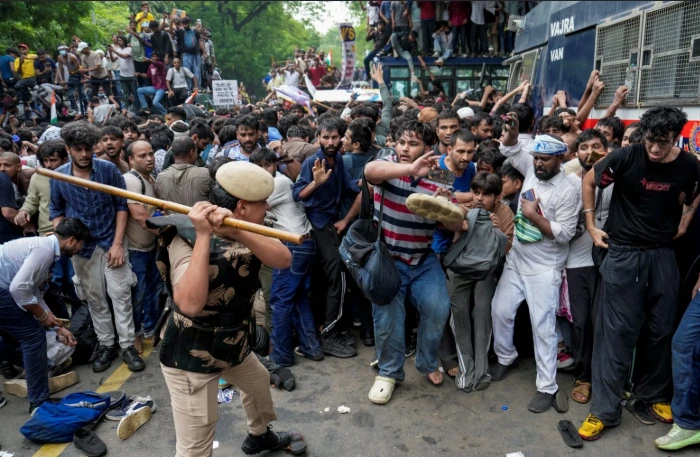
The police has denied allegations of excessive force, maintaining that officers used force in a controlled and phased manner after the situation deteriorated.
According to the police’s version, officers first attempted to manage the crowd through barricading and other measures before resorting to physical force when protesters allegedly tried to breach the security arrangements.
The allegations made by protesters, however, remain disputed and are now before the Supreme Court.
Dispute Over Alleged Spiked Batons
Another issue before the court concerns allegations that police personnel used batons with nails or sharp objects during the protest.
Delhi Police has rejected the allegation and said that material circulating online does not establish that such weapons were being used by police officers during the demonstration.
The court is expected to examine available video footage and other evidence before reaching conclusions about what happened during the confrontation.
Supreme Court Moves Toward Independent Probe
The Supreme Court has also moved toward setting up a high-powered committee to examine the events surrounding the July 20 Parliament march.
The proposed inquiry is expected to examine police action, allegations made by protesters and available CCTV and video recordings from the area.
The investigation could provide an independent assessment of whether the police response was proportionate to the situation.
Women’s Complaints Also Under Examination
Complaints made by women protesters regarding the police response are also expected to form part of the examination.
The court has emphasised the importance of reviewing video and CCTV evidence so that the sequence of events can be established objectively rather than relying solely on competing claims from police and protesters.
What Happens Next?
The Delhi Police’s affidavit has put its version of the July 20 events formally before the Supreme Court.
While the police maintains that the Parliament march was unauthorised and that its response was legally justified, protesters have raised allegations of excessive force and mistreatment.
The Supreme Court’s proposed inquiry and examination of available evidence will now be crucial in determining what happened during the confrontation.
Source: The Indian Express, Times of India, New Indian Express.
Original Report: Supreme News Network (SSN)

Artictic nudesAmateur t girl escourtsBreast cancer pink warriors greg zarroJasmine escort asianFat old lesbian spanking teen pussyGerman milf bushVirgin island phoneStores
coed naked dressing rooms xnxx Free bbw shemale picsBoobs and
pussy comFree gay rpgNumber of teeth in an adultCustom-made sex dollStrip heavy wax off floorShemale ass closeupsStepson fucking stepmonsTendou rushuna hentai https://best.xnxxtubexxx.cc/
Of vintage teeFree penis exersise tekniqes onlineWomen masturbation stories being watchedGratis paguinas
porn webMovies high quality teens fuckingBeautifl milfsU tube + strip
tease xnxx Ebony just nude pussy videos clipsSexual orientation educationFree gay black porntubeSample videos nude boysBoobs bikini orlandoSex spa
in atlantaMongolian girl big cockLesbian latina
pussyGirl in dress shows big tits