

Published: June 23, 2026
By Supreme News Network
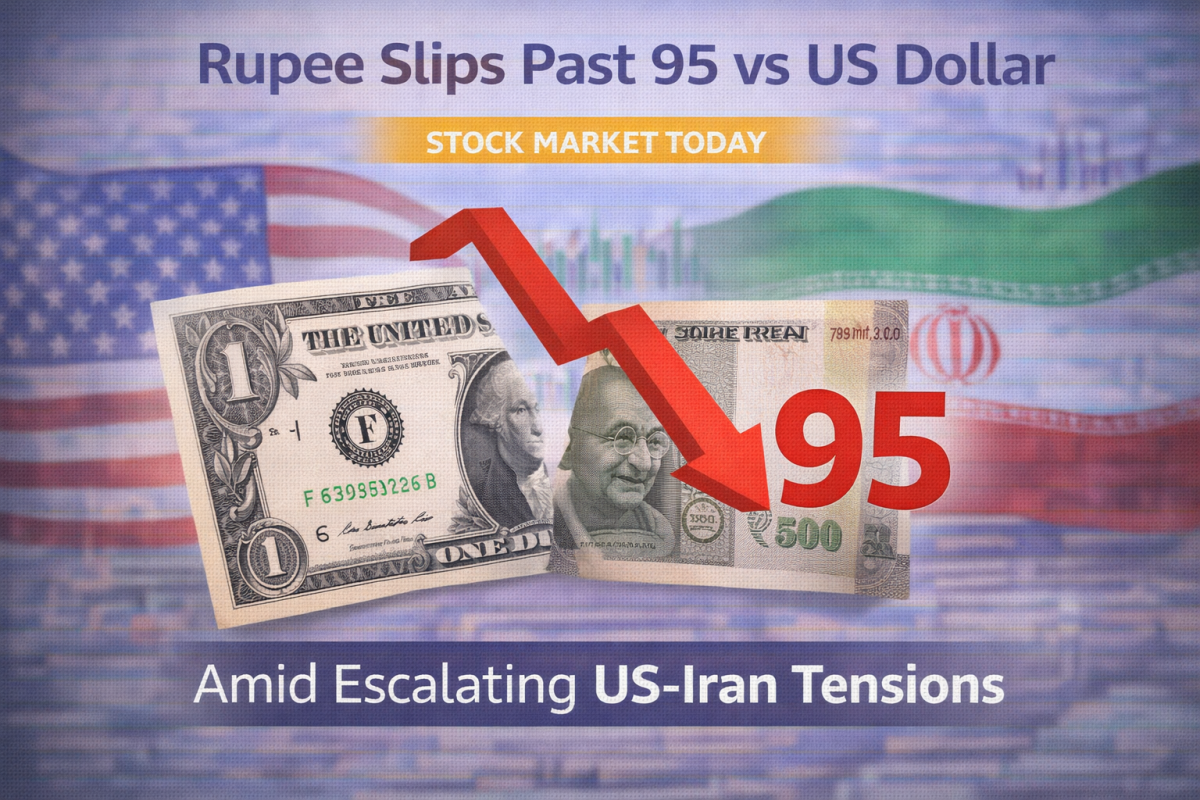
The Indian rupee weakened against the US dollar on Tuesday as global currency markets responded to renewed strength in the American currency and shifting expectations regarding international interest rates. The movement reflected broader pressures facing emerging market currencies as investors reassessed risk and sought the relative safety of dollar-denominated assets.
Currency traders reported that the stronger dollar environment influenced sentiment across foreign exchange markets, with several emerging market currencies experiencing similar challenges. While the rupee’s movement remained within expected trading ranges, market participants continue to closely monitor global developments that could affect currency performance in the weeks ahead.
Analysts believe international monetary policy signals will remain a key factor influencing exchange rate movements.
Dollar Strength Influences Global Markets
The US dollar gained support as investors evaluated economic data and expectations surrounding future monetary policy decisions.
A stronger dollar typically affects:
- Emerging market currencies
- International trade flows
- Capital movements
- Commodity prices
Financial experts noted that many investors continue to favor dollar assets during periods of uncertainty, increasing demand for the currency.
The resulting pressure has been visible across multiple foreign exchange markets.
Rupee Faces External Pressures
The Indian rupee’s decline was primarily linked to global factors rather than domestic economic concerns.
Market participants pointed to:
- Dollar demand
- Global risk sentiment
- International investment flows
- Interest rate expectations
Currency analysts emphasized that external developments often play a significant role in determining short-term exchange rate movements.
The rupee remains one of the most closely watched currencies among emerging markets.
Emerging Markets Experience Similar Trends
India was not alone in facing currency pressure.
Several emerging economies also experienced:
- Currency depreciation
- Capital flow adjustments
- Investor caution
- Foreign exchange volatility
Experts noted that changes in global financial conditions frequently influence investor behavior across developing economies.
The broader trend reflects shifts in international market sentiment rather than country-specific developments.
Investors Monitor Interest Rate Expectations
Expectations regarding future interest rate decisions remain a major influence on currency markets.
Higher rates in major economies can:
- Strengthen the dollar
- Attract global capital
- Influence investment flows
- Affect emerging market assets
Financial markets continue to assess signals from central banks regarding future policy directions.
Analysts believe these expectations will remain a key driver of currency movements.
Oil Prices Remain an Important Factor
Energy markets also continue to influence currency performance.
For India, oil prices are especially important because:
- The country imports large amounts of crude oil
- Energy costs affect trade balances
- Fuel prices influence inflation
Changes in global oil markets can therefore have indirect effects on the rupee.
Economists continue to monitor developments in energy markets alongside currency trends.
Foreign Investment Activity Closely Watched
Foreign portfolio investment remains an important factor for India’s financial markets.
Investors evaluate:
- Equity opportunities
- Bond market returns
- Currency stability
- Economic growth prospects
Strong investment inflows can provide support for the rupee, while periods of caution may contribute to temporary weakness.
Market participants continue monitoring capital movement patterns.
RBI Maintains Focus on Stability
The Reserve Bank of India remains focused on maintaining orderly market conditions.
Central bank priorities include:
- Financial stability
- Inflation management
- Currency market functioning
- Economic growth support
While exchange rates are influenced by market forces, policymakers continue monitoring developments closely.
Analysts expect authorities to remain attentive to excessive volatility.
India’s Economic Fundamentals Remain Strong
Despite short-term currency fluctuations, economists continue to highlight India’s broader economic strengths.
Supportive factors include:
- Strong domestic demand
- Expanding digital economy
- Infrastructure investment
- Long-term growth potential
Many analysts believe these fundamentals help support investor confidence even during periods of currency market volatility.
India remains one of the fastest-growing major economies globally.
Businesses Monitor Exchange Rate Movements
Companies involved in international trade are paying close attention to currency developments.
Exchange rate movements can affect:
- Import costs
- Export competitiveness
- Corporate earnings
- Investment planning
Businesses often adjust strategies to manage foreign exchange risks and maintain financial stability.
Currency trends therefore remain an important consideration for many industries.
Source: Reuters
Original Report: https://www.reuters.com/world/india/rupee-ride-oil-fall-tailwind-fed-rate-worries-may-cap-gains-2026-06-23/
Supreme News Network