

Published: June 21, 2026
By Supreme News Network
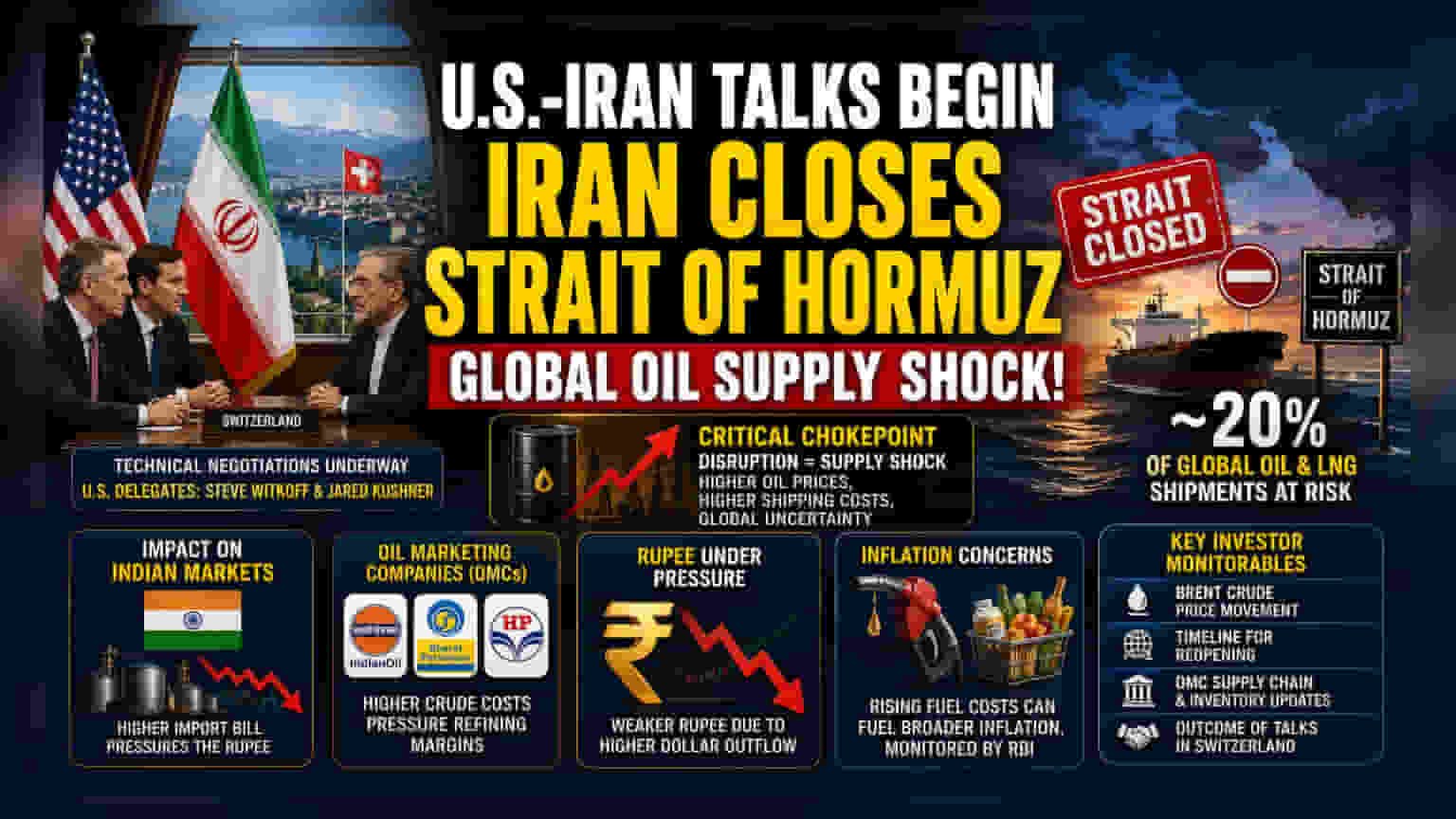
Global financial markets remained focused on energy prices and international shipping activity on Saturday as developments surrounding the Strait of Hormuz continued to draw attention from investors, governments, and industry leaders. The strategic waterway, which serves as one of the world’s most important energy transport routes, remains a critical factor influencing market sentiment and economic outlooks.
Analysts say that any disruption to major energy supply routes can have significant implications for global trade, inflation, and economic growth. As a result, traders are closely monitoring developments while assessing potential impacts on crude oil prices and broader financial markets.
The situation has reinforced the importance of energy security and supply chain resilience in an increasingly interconnected global economy.
Strait of Hormuz Remains a Strategic Trade Route
The Strait of Hormuz is considered one of the most important maritime passages in the world.
The route connects major oil-producing regions to international markets and facilitates the transportation of large volumes of crude oil and energy products every day.
Experts note that the waterway plays a vital role in:
- Global energy supplies
- International trade flows
- Maritime transportation
- Economic stability
Because of its strategic significance, developments in the region are closely watched by governments and businesses worldwide.
Energy Markets React to Supply Concerns
Oil traders continue to evaluate potential risks that could affect global supply chains.
Factors influencing market sentiment include:
- Shipping activity
- Energy demand forecasts
- Geopolitical developments
- Supply and inventory trends
Analysts explain that uncertainty surrounding energy transportation routes often contributes to increased market volatility.
Investors are therefore paying close attention to developments that could affect energy availability and pricing.
Global Investors Monitor Economic Impact
The movement of oil prices remains an important consideration for global financial markets.
Changes in energy costs can influence:
- Inflation levels
- Transportation expenses
- Manufacturing costs
- Consumer spending patterns
Market experts say that sustained increases in energy prices can affect economic growth forecasts in both developed and emerging economies.
Investors are balancing these concerns against broader economic indicators and central bank policies.
Shipping Industry Watches Closely
Maritime operators are also monitoring conditions in the region.
Shipping companies continue to assess:
- Vessel movements
- Route planning
- Insurance considerations
- Operational risks
Industry observers note that efficient maritime transportation remains essential for maintaining stable global supply chains.
Any disruptions could have ripple effects across multiple sectors.
Governments Emphasize Energy Security
Countries around the world are increasingly focusing on energy security strategies.
Policy discussions are centered on:
- Diversifying supply sources
- Strengthening strategic reserves
- Expanding energy infrastructure
- Improving supply chain resilience
Experts believe recent developments highlight the need for long-term planning in the energy sector.
Many governments are seeking to reduce vulnerabilities associated with global supply disruptions.
Oil Prices Remain a Key Indicator
Crude oil prices continue to serve as an important indicator of market expectations.
Traders are evaluating:
- Supply-demand balances
- Production levels
- Inventory data
- International developments
While short-term price movements can be influenced by market sentiment, analysts emphasize that long-term trends depend on broader economic and energy fundamentals.
The coming weeks may provide greater clarity regarding market direction.
Impact on Emerging Economies
Emerging markets are particularly sensitive to fluctuations in energy prices.
Higher energy costs can affect:
- Import bills
- Currency stability
- Industrial production
- Economic growth
Countries that rely heavily on imported energy often monitor oil market developments closely when assessing economic policy decisions.
Economists note that stable energy supplies remain important for sustaining growth.
Businesses Assess Supply Chain Risks
Companies operating across global markets are reviewing potential supply chain implications.
Industries paying close attention include:
- Manufacturing
- Logistics
- Aviation
- Transportation
Business leaders are increasingly prioritizing contingency planning and operational flexibility to manage potential disruptions.
Supply chain resilience has become a major focus in recent years.
Financial Markets Remain Alert
Investors continue to evaluate developments alongside other economic factors such as inflation data, interest rate expectations, and global growth projections.
Market participants are monitoring:
- Equity markets
- Commodity prices
- Currency movements
- Bond yields
Analysts suggest that energy-related developments could remain a significant driver of market sentiment in the near term.
The situation underscores the close relationship between geopolitical events and financial market performance.
Source: Reuters
Original Report: https://www.reuters.com/world/middle-east/
Supreme News Network